The Institute of Explosives Engineers are a Licenced Member of the Engineering Council, authorised to assess member professional registration applications. Eligible IExpE members can apply for recognition as a Chartered Engineer (CEng), Incorporated Engineer (IEng), or Engineering Technician (EngTech).
Professional Registration is a status awarded to qualified engineers and technicians. It is awarded by licensed bodies who represent the Engineering Council and is based on knowledge, competence and commitment to professionalism.
Professional Registration with the Engineering Council demonstrates that an engineer or technician has achieved a recognised standard of competence, commitment, and professionalism within the engineering industry.
To learn more about the registration criteria assessed during the application process, please refer to the UK Standard for Professional Engineering Competence (UK-SPEC) published by the Engineering Council
Professional Registration provides a range of personal and professional benefits.
Take the next step in your career by becoming professionally registered with the Engineering Council as a Chartered Engineer (CEng), Incorporated Engineer (IEng) or Engineering Technician (EngTech). Choose the registration level and route that best reflects your experience, qualifications and professional aspirations.
Once you have considered the professional registration category and application route that best aligns with your experience, qualifications and career development, the next step is to begin your application.
This section provides guidance on the application process, from preparing your supporting evidence and completing the required documentation through to assessment and professional review. We are here to help you understand what is required at each stage and support you throughout your journey towards professional registration with the Engineering Council.
Explore the requirements and application processes for transferring your registration to IExpE, obtaining additional registration, or reinstating your registration with the Engineering Council.
Recently achieved your CEng or IEng registration? Why not use your experience to support other engineers on their journey to Professional Registration?
IExpE is looking for CEng and IEng registrants to become Professional Registration Advisors (PRAs) and JRB Assessors.
This section provides guidance on the application process, from preparing your supporting evidence and completing the required documentation through to assessment and professional review. We are here to help you understand what is required at each stage and support you throughout your journey towards professional registration with the Engineering Council.
IExpE offers free Professional Registration webinars exclusively to our Corporate and Company Members.
These webinars are designed to help organisations understand the professional registration process and the benefits of becoming professionally registered with the Engineering Council through IExpE.
Find answers to some of the most common questions about professional registration with the Engineering Council. Whether you are considering applying, are already progressing through the process, or have questions about maintaining your registration, this section provides helpful guidance and information.
As a technical professional, achieving Chartered Engineer (CEng) status represented not only a personal milestone but also a signal to my peers that such recognition is within reach for anyone willing to pursue it.
I became professionally registered to formalise my qualifications and experience inline with industry. So that when I eventually leave the forces I have a recognised level of competence within the sector.

In recent years the Army has been signposting personnel in technical trades towards professional registration so their knowledge, skills and experience are recognised more easily both within the Army and the civilian sphere. Having completed the Defence Academy Explosive Ordnance Engineering MSc, and as I approach the end of my military career, applying for Chartered status seemed a logical step towards the transition to civilian life.
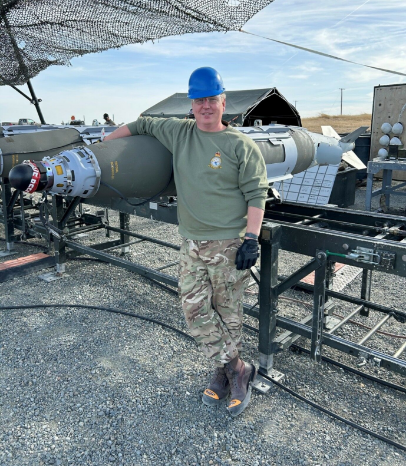
Bringing the professional standards of Defence’s engineers to civilian sectors can only be seen as a good thing. This drive to be seen as a professional and competent engineer was one of the reasons I applied for registration.
Professionalisation of the industry will set standards and show competence to other industries and give you highly sought after attributes and skills.

I was keen to professionalise my experience within the explosives industry in recognition of the hard work and dedication put into my working practice as an Explosives Engineer.
It (Professional Registration) has made me more confident to challenge or provide advice when working with others, who may not have understood my credentials without me being a registrant.

I became registered because I wanted to enhance my professional profile and be recognised for my skills and experience within the community.